
Tempo, voice & space
Slowed, reverb and sped up: why familiar phonk sounds different
What slowed, sped-up and reverb versions change: tempo, vocal pitch, bass and a sense of space. Understand the differences and hear NO LIMITS PHONK originals.

Notes & contents
Listening notes
- Slowed and sped up change speed; reverb adds space.
- Pitch can be preserved while changing tempo; the result depends on the processing.
- The examples on this page are original NO LIMITS PHONK recordings.
A familiar melody, the same voice, yet a different mood. In a slowed version, a phrase lasts longer; in a sped-up version, the drums return to the next accent sooner. Reverb adds a sense of space around the sound. These changes are easy to group under one label, but they work differently.
Let’s look at what slowed, slowed + reverb and sped up mean, how to tell them apart by ear, and why it helps to hear the original recording first. The NO LIMITS PHONK examples below are published originals, not remixes that do not exist.
Three labels, different changes
Slowed and sped up do not specify one required speed. The label alone cannot tell you the exact processing settings. Reverb does not mean slowing down either: it can be added to a recording at its original tempo.
Slowed
The recording plays more slowly; a simple speed change also lowers the voice and instruments.
Listen forPauses between hits, syllable length and the position of the bass.
Sped up
The recording plays faster; without pitch preservation, the voice and instruments become higher.
Listen forThe frequency of accents, phrase length and vocal clarity.
Reverb
A decaying reflection is added to the sound: the impression of a room, hall or another space.
Listen forThe tail after a voice or hit, and a sense of closeness or distance.
Speed and pitch are not the same thing
Simply playing a recording more slowly changes both its tempo and its pitch. Speeding it up does the opposite. An audio editor can also stretch time while preserving the pitch of the notes. A slowed voice therefore does not have to sound lower: it depends on the processing method. [1] [2]
A simple calculation: a hypothetical two-minute recording at 0.8× speed lasts 2:30. At 1.2×, it lasts 1:40. A hypothetical tempo of 120 BPM becomes 96 or 144 BPM respectively. These are mathematical examples, not measurements of our tracks. [1]
One useful detail: “20% slower” increases duration by 25%, not 20%. The new duration is the original divided by the speed multiplier. This helps explain why a slowed version can noticeably change the length of an edited scene. [1]
What reverb adds
Listen to the moment after a voice stops. If sound gradually fades behind it, you are hearing a spatial tail. Reverb mixes the original signal with reflections; their balance helps bring the sound closer or seem to move it deeper into the scene. [3]
A long tail can connect pauses, but it can also obscure short details. For phonk, this creates an interesting balance: do the drums remain clear, can you distinguish the bass notes, and is a brief voice insert still understandable? More space does not always make a track more expressive. Sometimes the contrast between a dry hit and a distant melody makes the impression.
Slowed + reverb combines two decisions: slower movement and additional space. Neither replaces the other.
Hear the original first
The voice has different roles in the NO LIMITS PHONK catalogue. MY MOVE contains six vocal tracks. FULL CONTROL uses short radio phrases. A spoken phrase is still a voice: the whole album cannot be described as music without words.
Start with LAST TRAIN from MY MOVE: follow the length of the vocal phrase and how the musical movement continues between the words. Then listen to RESURGE from FULL CONTROL and notice where the brief voice insert sits inside the track. The aim is to hear the original relationship between music and voice, as a reference for comparing versions.
Compare versions without complicated tools
Choose one recognisable passage, such as the entrance of the voice or the return of the main melody. Compare the original and another version at a similar, comfortable volume. A louder version already feels different because of its level, which can make the processing harder to judge.
There is no need to call one version right for everyone. The original provides a reference: you can hear the published combination of tempo, voice and space.
Ask yourself four questions:
- Has only the speed changed, or the pitch of the voice too?
- Does the end of the phrase stop sharply or leave a long tail?
- Can you distinguish the individual hits and bass notes?
- Does the new movement suit the mood you wanted from the music?
What if the music is for your own video?
A version that is enjoyable on its own does not always suit an edit. With a sped-up version there is less time for action between accents; a slowed version can give a scene more pauses. First check that viewers can understand what is happening, then adjust the cuts. Our article on editing to musical phrases takes this further.
The website has a separate selection of 15 tracks for videos with permitted MP3 downloads. Its terms cover the listed recordings and stated uses. Publishing a reworked version requires separate permission; calling it slowed or sped up does not change the rights to the recording. Read the music-use terms.
Listen to the originals, notice the details, and choose the version that best conveys your mood.
Sources & further reading
Keep listening
Take one detail from the article into your next listen: a bass phrase, a pause, or the way a melody returns.
Explore the music
Notes on the sound5 min read
Free phonk for videos — listen and download MP3
Download 15 full phonk tracks free in MP3, without registration. Hard phonk, melodic grooves and night-drive atmosphere for YouTube, Shorts and edits. Credit required; platform monetisation allowed.
Read the article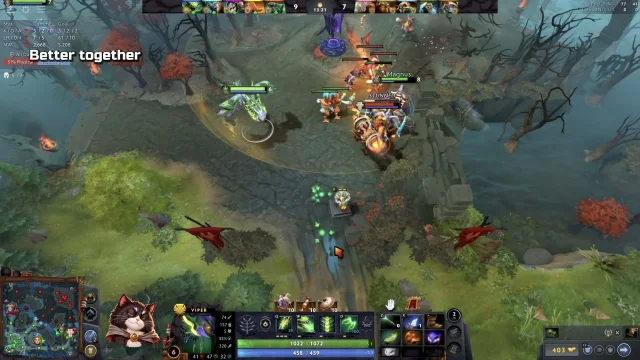
Notes on the sound2 min read
NO LIMITS PHONK × OOPS DOTA: 25 tracks for gaming videos
We shared 25 unreleased tracks with OOPS DOTA. Watch two real matches with our music, hear five tracks and find free MP3 downloads for your own videos.
Read the article