From the artist
Why I Chose Phonk — Night Drives and a Voice on the Radio
Ruslan on the first car that changed his listening, the energy behind NO LIMITS PHONK, and radio phrases that turn solitude into connection.
Listen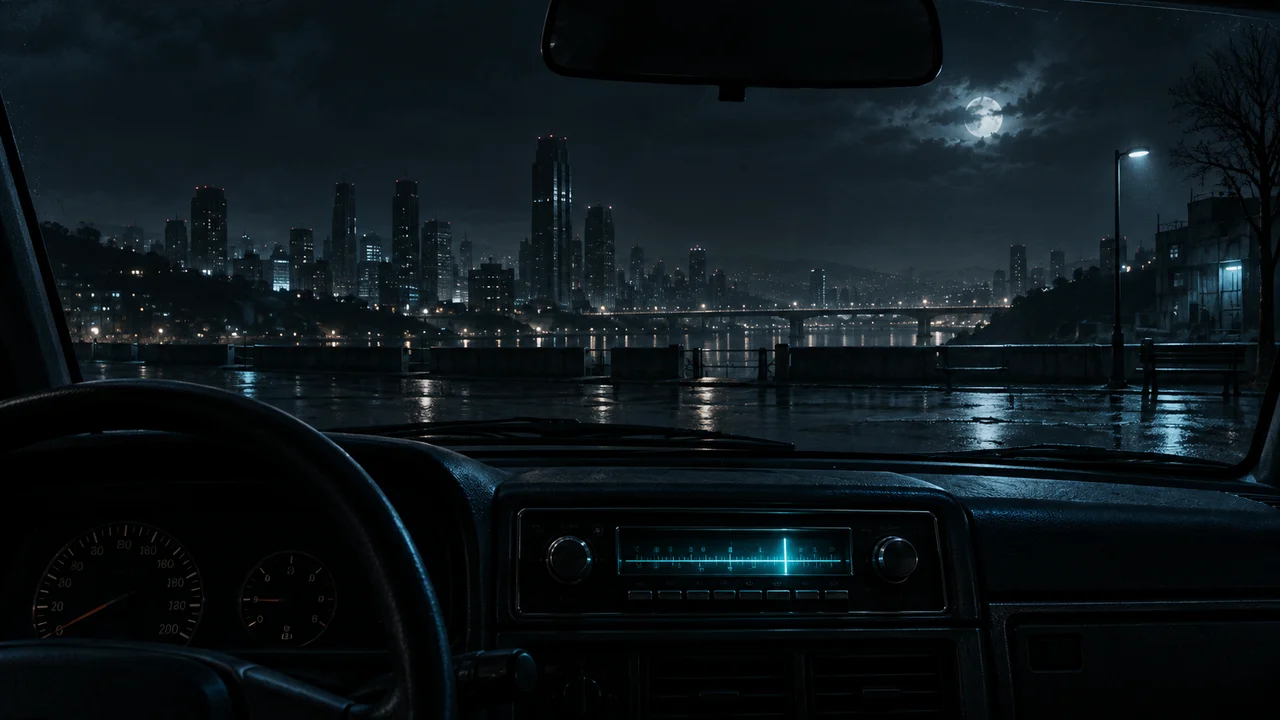
Notes & contents
Listening notes
- The night-drive feeling came before the project.
- The radio voice is an unexpected moment of connection.
- Free listening and permission to reuse music are separate.
I chose phonk around the time I bought my first car. I spent a lot of time driving through the city at night and found a sound that matched what was happening inside me. It did not need a long lyrical story to express that feeling. The instruments, the way they combined, and the movement of the music carried the pleasure of the surroundings and the satisfaction of an achievement: I had bought my own car.
The feeling I want to share
That is the feeling I want to pass on through NO LIMITS PHONK. Something good. Motivation to keep moving, and energy that feels as though it can continue beyond the end of the track. I like the way phonk brings its instruments together. For me, melody, rhythm and texture can say something before a voice says a word. The listener does not have to share my memories; I want there to be space for their own.
“I want to make music I would choose to listen to, even without my name on it.”
Why a radio voice?
I came up with short inserts in my radio voice as a way of reaching the listener for a moment. A phrase can encourage you, offer support or add to the energy of the music. The radio sound matters because it feels like an unexpected connection: you are inside the track, and suddenly somebody comes through. I imagine a world where nobody else seems to be there. Then the radio switches on, someone reaches the airwaves, and there is hope.
Vocals, radio phrases and instrumental phonk
This is different from a song built around verses and a chorus. A sung vocal can carry a continuing story; a short radio phrase can appear and disappear while the instruments keep leading. Neither is completely voice-free. When I say instrumental phonk without vocals, I mean music that leaves out sung and spoken lines. These are useful listening distinctions, not strict rules for the whole genre.
Verses and a recurring chorus carry a story.
A brief spoken voice enters the music, then leaves room for it again.
No sung or spoken voice: the instruments carry the expression.
Schematic illustration, not measured waveforms. A spoken phrase is still a voice; music with radio inserts is not completely vocal-free.
Hear the difference in the records
The current catalogue gives you two starting points. FULL CONTROL brings nine tracks into a night-drive sequence with melody, bass and short radio phrases. MY MOVE is a six-track EP with English vocals. Try the examples here and notice where your attention goes: to a line of words, to the returning melody, or to the rhythm between them. The same listener can connect with both approaches on different nights.
Where the sound goes next
I want to make more phonk with space for the instruments, alongside the vocal music. Night drives, drift and racing visuals, or simply an evening in a particular mood are part of that creative direction. These are plans, not dates for an announced instrumental release. The music can carry that feeling wherever you listen; you do not need a car or the same story as mine.
The full released tracks are available on this website for free, without creating an account. Start with the music, stay with the details that mean something to you, and come back to the record when the mood returns. For me, the idea behind NO LIMITS PHONK is to make the energy of a personal moment available to somebody else.
Keep listening
Take one detail from the article into your next listen: a bass phrase, a pause, or the way a melody returns.
Explore the music
One sound, worldwide3 min read
One Sound, Eight Languages — Phonk Without Borders
NO LIMITS PHONK now speaks eight languages. A guide to choosing yours, exploring the music and what comes next.
Read the article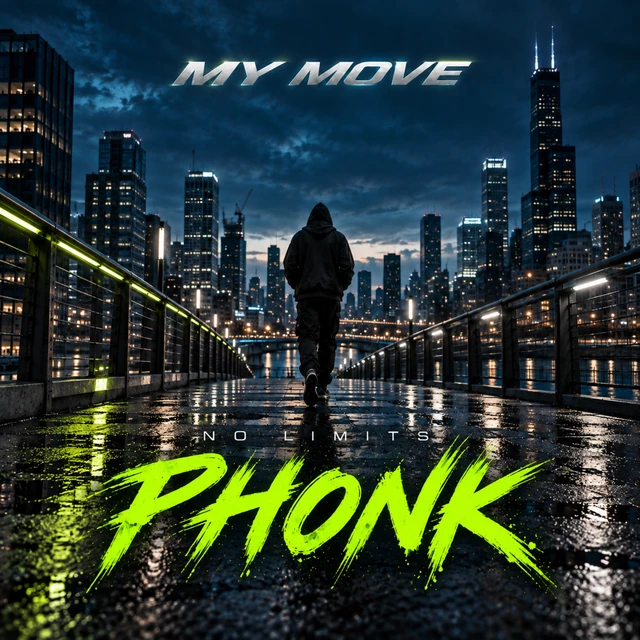
Inside the new EP4 min read
MY MOVE — Six Tracks, One Decision
The new NO LIMITS PHONK EP is out: six vocal tracks, 14:03, and a path from holding your ground to making your own move.
Read the article